
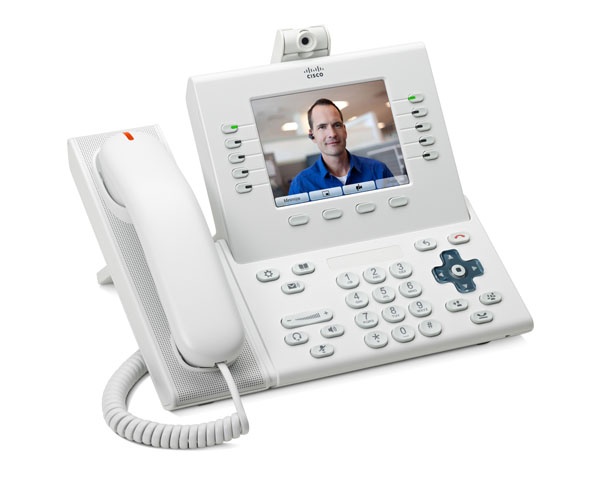
Many companies today are comparing Cisco IP Phone System vs. Traditional Phones to understand which communication method is better for their business. Both systems can handle basic calling, but when you look deeper into performance, features, reliability, and future growth, the difference becomes very clear. Modern businesses, especially in Dubai, now rely on systems that offer flexibility, security, and long-term value—and that is where Cisco IP Phone Systems stand out.
FSI Information Technology is a trusted IT service provider in Dubai, known for delivering reliable communication solutions, including Cisco IP Phone Systems, on-premise PBX installations, call center solutions, and complete IT AMC services. Many businesses choose FSI because they offer professional installation, stable support, and fast maintenance for all types of IP phone requirements. Their expertise helps companies move smoothly from traditional phones to modern Cisco Systems without downtime or complications. also, FSI provides all type of Cisco supports and delivering cisco products.
Table of Contents
Understanding the Basics
Before deciding between Cisco IP Phone System vs. Traditional Phones, it is important to know how each one works.
Traditional phones run on old copper lines and mainly support basic voice calling. They are simple but very limited.
A Cisco IP Phone System uses your office network to make calls. This allows clearer sound, faster connection, and smarter features that help improve teamwork and productivity. It is designed for modern offices, remote workers, and growing companies.
Why Cisco IP Phone System Is Better
When comparing Cisco IP Phone System vs. Traditional Phones, Cisco offers many benefits:
- Clearer audio quality
- Strong performance
- Long lifespan
- Easy user management
- Advanced features like call forwarding, voicemail to email, video calls, conferencing, call recording, and CRM integration
Traditional phones cannot support these features. They stay limited to simple calling and basic functions.
On-Premise Cisco Systems: A Big Advantage
Cloud-based systems are common today, but when you compare Cisco IP Phone System vs. Traditional Phones, an on-premise Cisco system offers even stronger benefits for Dubai businesses.
1. Better Security
On-premise Cisco systems keep all data inside the office. This gives maximum protection for industries that handle sensitive information, such as finance, real estate, healthcare, and government sectors.
2. Higher Reliability
Even if the internet goes down, an on-premise phone system can still keep internal calls running. This level of reliability is not possible with cloud phones, which depend fully on internet connectivity.
3. No Monthly Subscription Fees
Cloud systems require monthly payments per user. Over time, this becomes very expensive.
When comparing Cisco IP Phone System vs. Traditional Phones, the on-premise Cisco option wins because you invest once and own the system.
4. Full Control and Customisation
On-premise systems allow businesses to customize everything—from call flow to security rules. You are not limited by what a cloud provider allows, and you can manage the system your way.
Where Traditional Phones Fall Behind
Traditional phones may look familiar, but when we compare Cisco IP Phone System vs. Traditional Phones, the old systems become less practical. They cannot support video meetings, mobile apps, remote work, or integration with modern software. Maintenance is also harder because old parts are becoming rare.
They also lack scalability. Adding new extensions requires extra wiring, which is expensive and time-consuming.
Why Dubai Businesses Choose Cisco
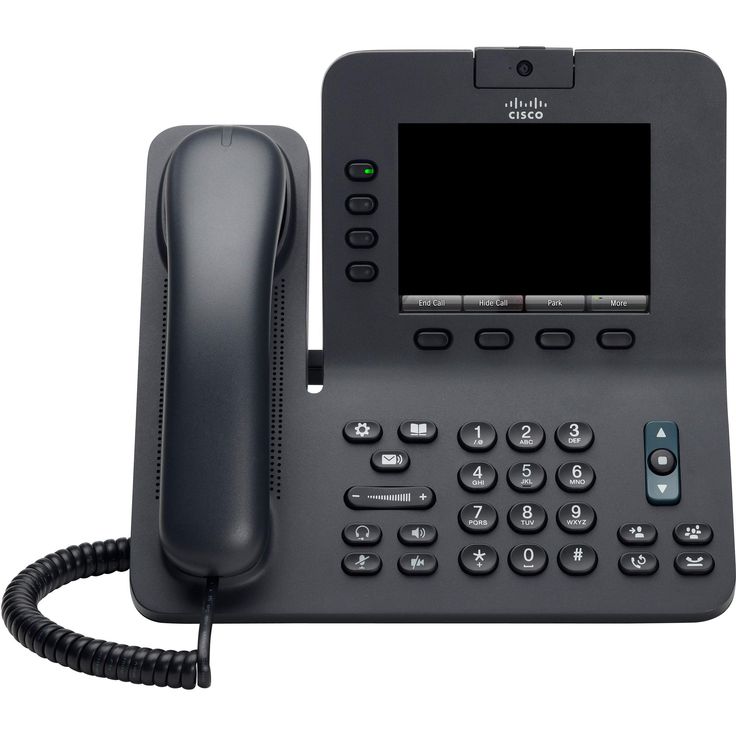
Businesses in Dubai focus on quality communication, strong security, and fast service. When comparing Cisco IP Phone System vs. Traditional Phones, Cisco Systems—especially on-premise—provide a reliable foundation for smooth communication. Employees can work from home, office, or while traveling, and still stay connected without any issues.
Final Verdict
After fully reviewing Cisco IP Phone System vs. Traditional Phones, the winner is clear. For modern, growing, and security-focused companies, an on-premise Cisco IP Phone System brings more benefits, more control, and more long-term value. Traditional phones may still work, but they cannot keep up with the needs of today’s business world.